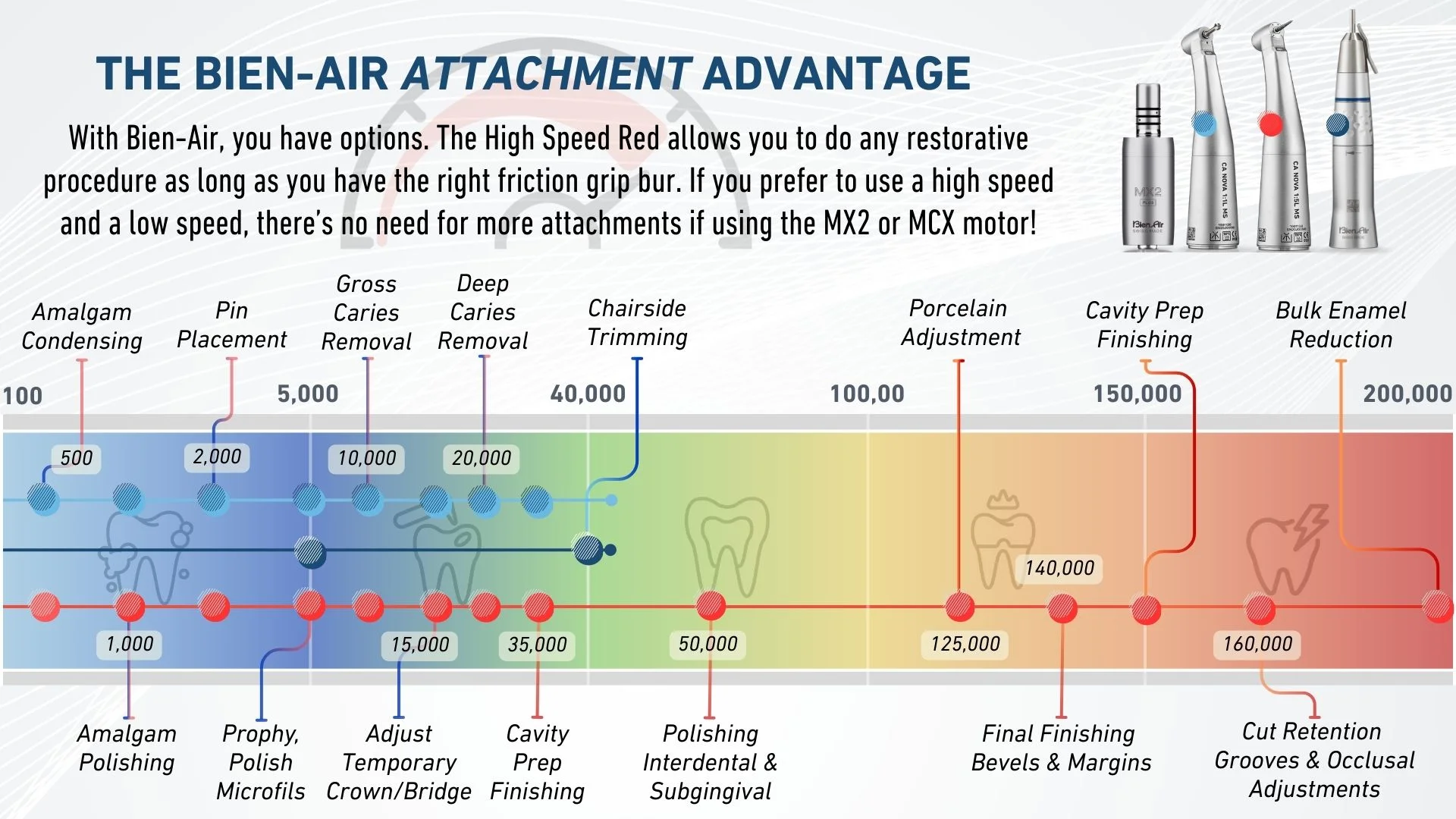
Almagam Condensing
- 500 RPM
 s @ 100% Torque
NOTE: You can only run your attachments at this speed using the Optima INT and iOptima INT.
Almagam Polishing
- 1,000 RPMs @ 100% Torque
NOTE: You can only run your attachments at this speed using the Optima INT and iOptima INT.
Pin Placement
- 2,000 RPMs @ 100% Torque
NOTE: You can only run your attachments at this speed using the Optima INT and iOptima INT.
Prophy & Polish Gold and/or Microfils
- 5,000 RPMs @ 100% Torque
Pin Hole Drilling & Gross Caries Removal
- 10,000 RPMs @ 100% Torque
Adjust Temp Crown & Bridge
- 15,000 RPMs @ 100% Torque
Deep Caries Removal
- 20,000 RPMs @ 100% Torque
General Cavity Prep Finishing
- 35,000 RPMs @ 100% Torque
Chairside Trimming & Denture Adjustment
- 40,000 RPMs @ 100% Torque
Polishing Interdental + Subgingival & Eliminating Almagum Overhang
- 50,000 RPM
 s @ 100% Torque
Porcelain Adjustment
- 125,000 RPMs @ 100% Torque
Final Crown & Bridge Prep Finishing and/or Bevels + Margins
- 140,000 RPMs @ 100% Torque
Cavity Prep Finishing Bevels + Margin
- 150,000 RPMs @ 100% Torque
Cut Retention Grooves and/or Occlusal Adjustments
- 160,000 RPMs @ 100% Torque
Dental Reduction and/or Tooth Sectioning and/or Bulk Enamel Reduction
- 200,000 RPMs @ 100% Torque
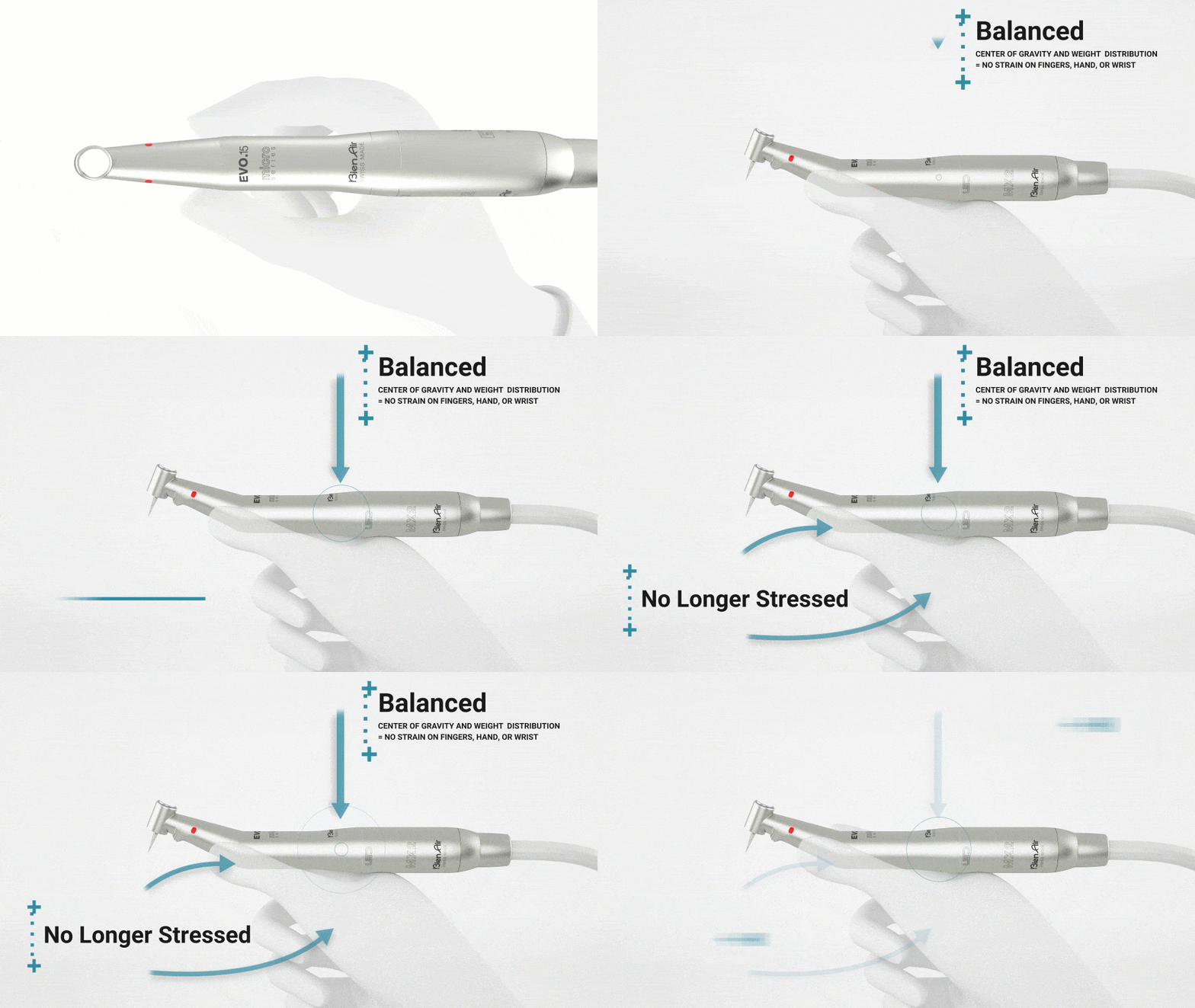
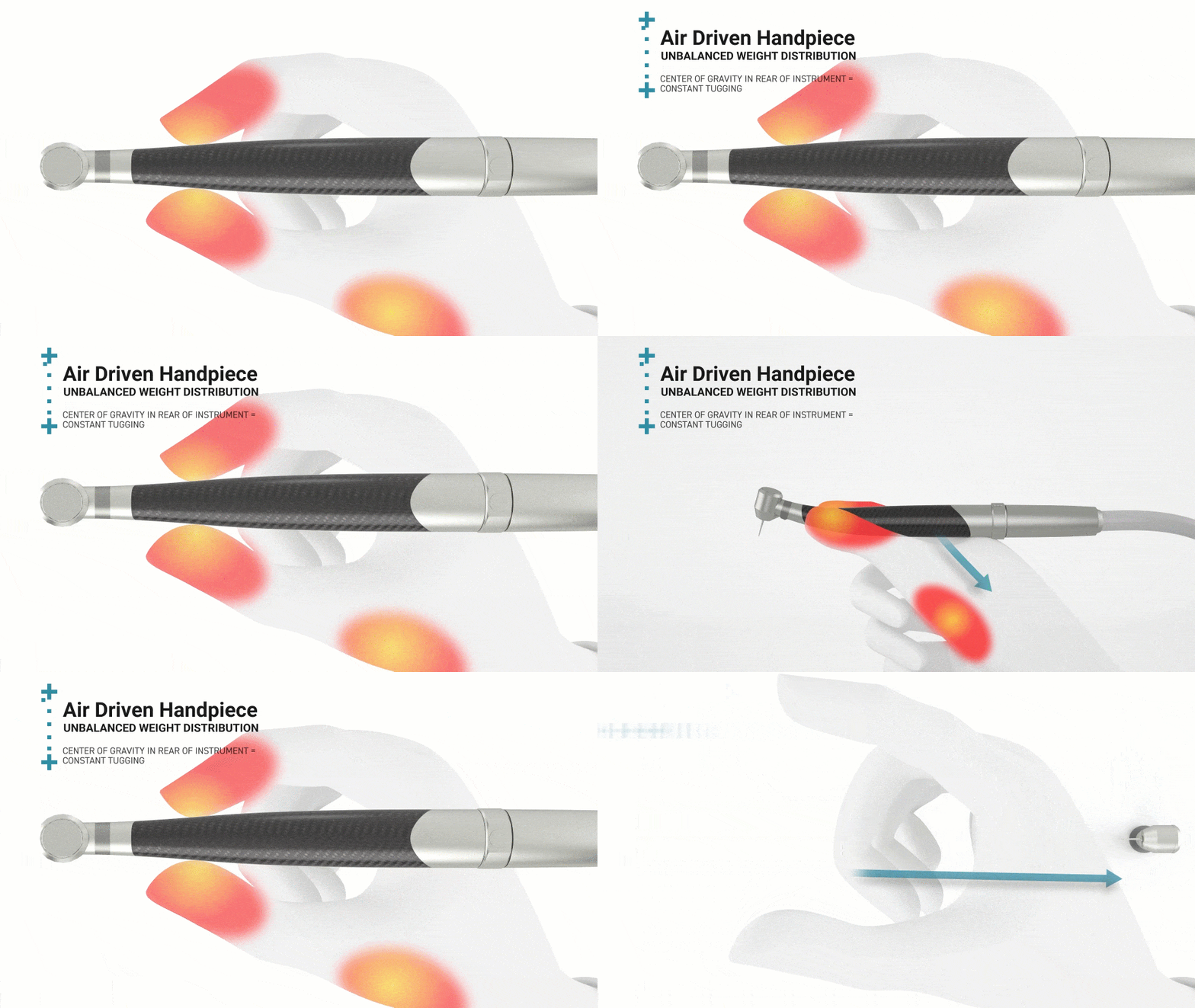
The interactive content below is taken from our “Bien-Air Advantage” course. This lesson helps you get setup with Bien-Air, if you’re using it for the first time or just would like to learn more about our systems. If you’d like to take this entire course, please register as a dental professional.
Manual Maintenance Contra Angles
This video shows you how to manually maintenance your Contra Angle attachments using the Spraynet and Lubrifluid.
Manual Maintenance Surgical Attachments
This video shows you how to manually maintenance your Contra Angle surgical attachments using the Spraynet, Lubrifluid and Aquarcare.
Manual Maintenance Air-Driven Handpieces
This video shows you how to properly maintain your air-driven handpieces using the Spraynet and Lubrifluid bottles from Bien-Air.
Properly Maintaining Surgical Cables
This video shows you how to properly disconnect, clean and maintain your surgical cable before sterilizing it.
Maintenance Using the Lubricare 2
This video shows you how easy it is to automatically maintain your air and electric attachments using the Lubricare 2.
Maintenance Modes on Lubricare 2
This video shows how and when to properly run the maintenance modes on the Lubricare 2 system from Bien-Air.
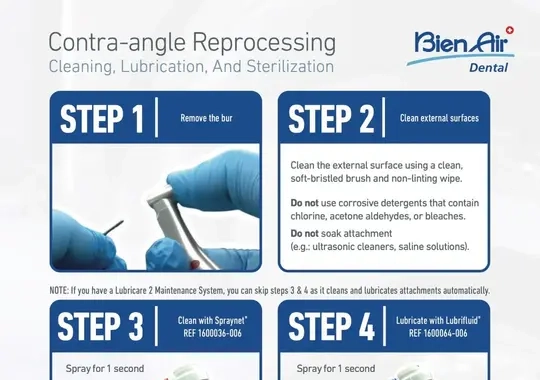
Maintenance Guide
Complete step-by-step instructions for maintaining contra angle attachments.
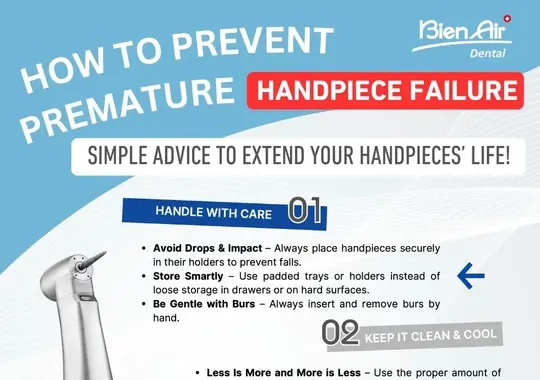
Preventative Maintenance
Helpful tips to keep your handpieces running like the precision instruments they were designed to be.
OPTIMA MCX
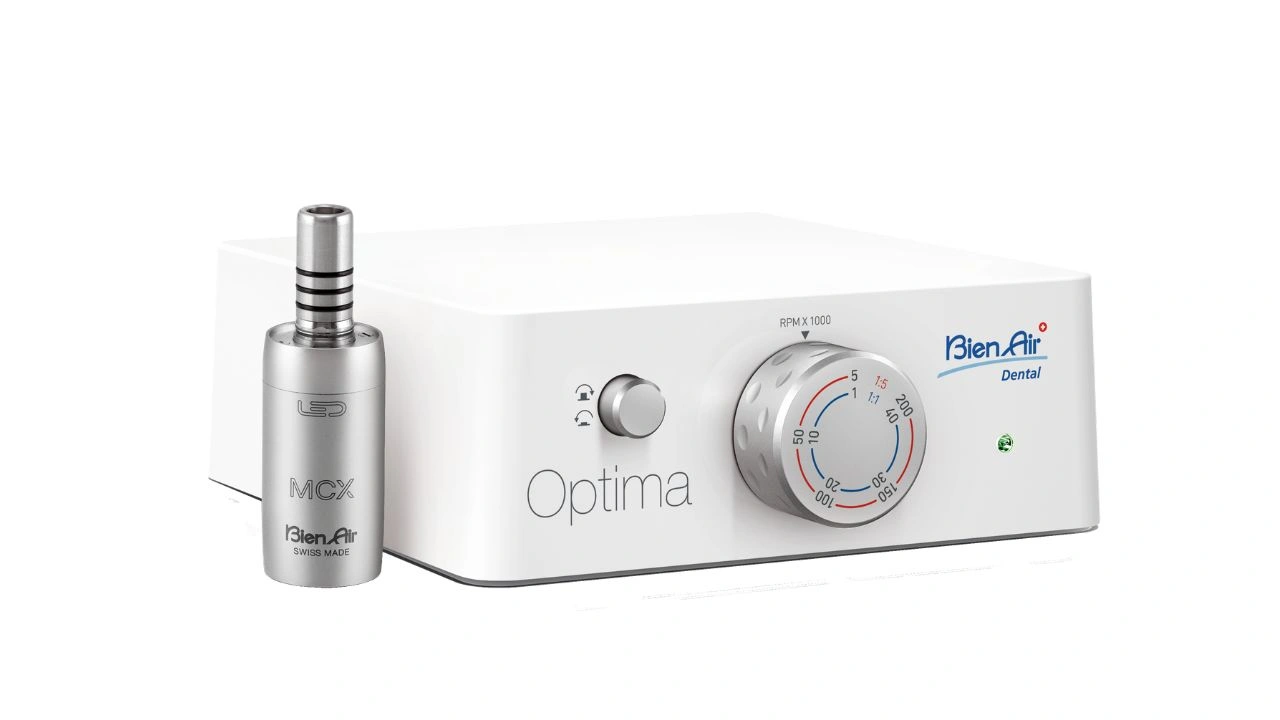
- Built for Restorative Dentistry
The OPTIMA handles all restorative, crown and bridge procedures.
- Single Motor System
The OPTIMA comes with the MCX motor. Brushless, maintenance free, and designed for durability.
- Easy Integration
Seamless integration and a simpler "plug and play" installation on any existing dental unit.
OPTIMAINT
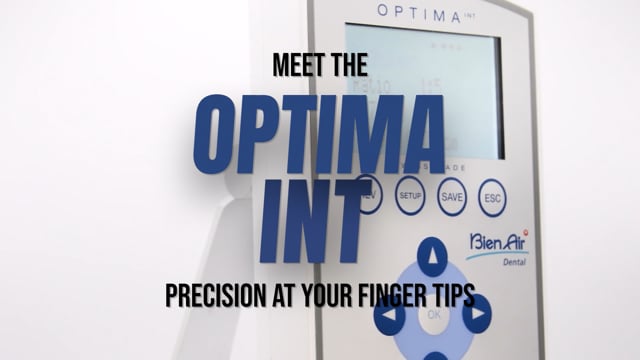
- Restorative & Endondontics
Restorative, crown and bridge, rotary and WaveOne endodontics.
- Dual Motor System
You can upgrade the OPTIMAINT to a dual motor system to increase your efficiency.
- Seamless Integration
The OptimaINT can integrate into any existing dental unit via a professional installation.
iOPTIMAINT
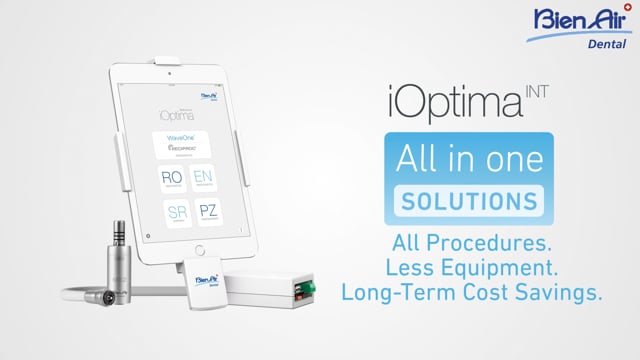
- Multi-Specialty
Restorative, crown and bridge, rotary and WaveOne endodontics, and surgery and implantology.
- Triple Motor System
You can upgrade the iOPTIMAINT to three motors to increase your efficiency.
- Seamless Integration
The iOPTIMAINT can integrate into any existing dental unit via a professional installation.



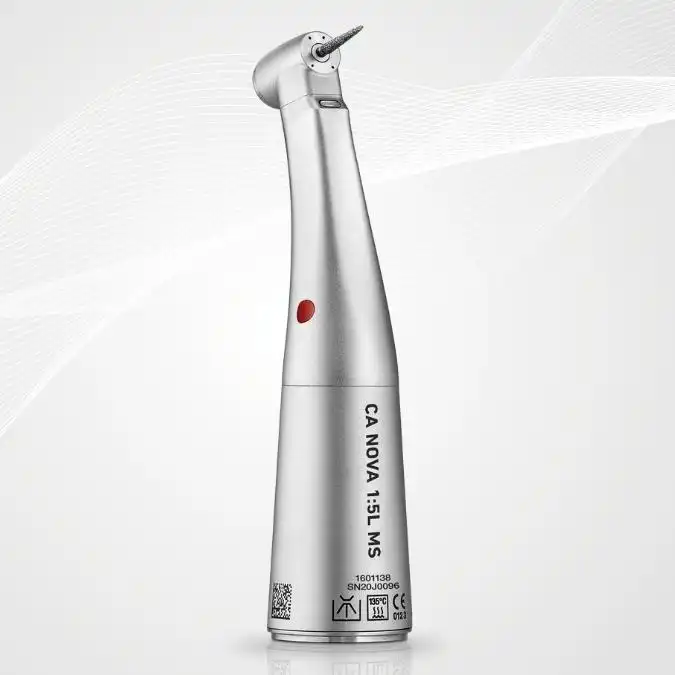
• Can replace up to three separate handpieces!
• Stainless steel body creates less vibration and more comfort.
• Ceramic anti-heat push button and anti-retraction valve.
CA NOVA 1:5
Reference: 1601138-001
Copied to clipboard!
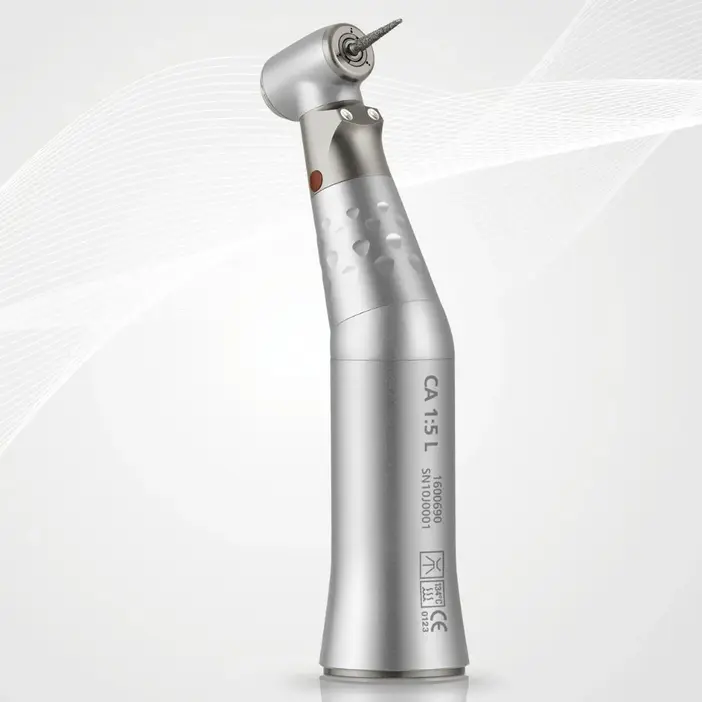
• An economical alternative to the NOVA series.
• Comes in Micro Series, and Standard size.
• Fully redesigned bur-locking and rotation drive mechanism ensures micron-precise concentricity and stability,.
Classic 1:5 L Standard
Reference: 1600690-001
Copied to clipboard!
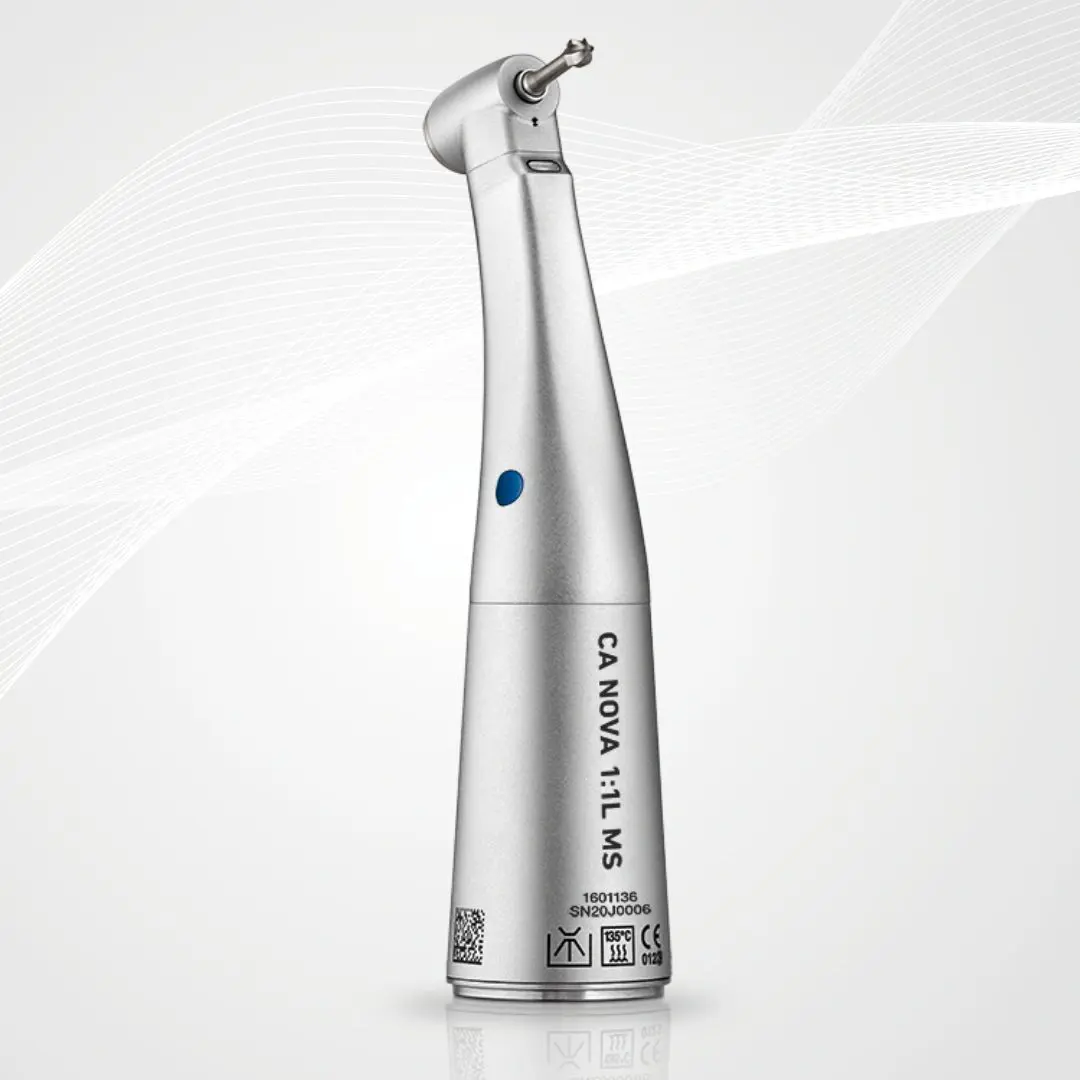
• 1:1 ratio with a speed range of 100 to 40,000 RPMs.
• Ideal for slow speed procedures.
• Anti-retraction valve.
CA NOVA 1:1
Reference: 1601136-001
Copied to clipboard!
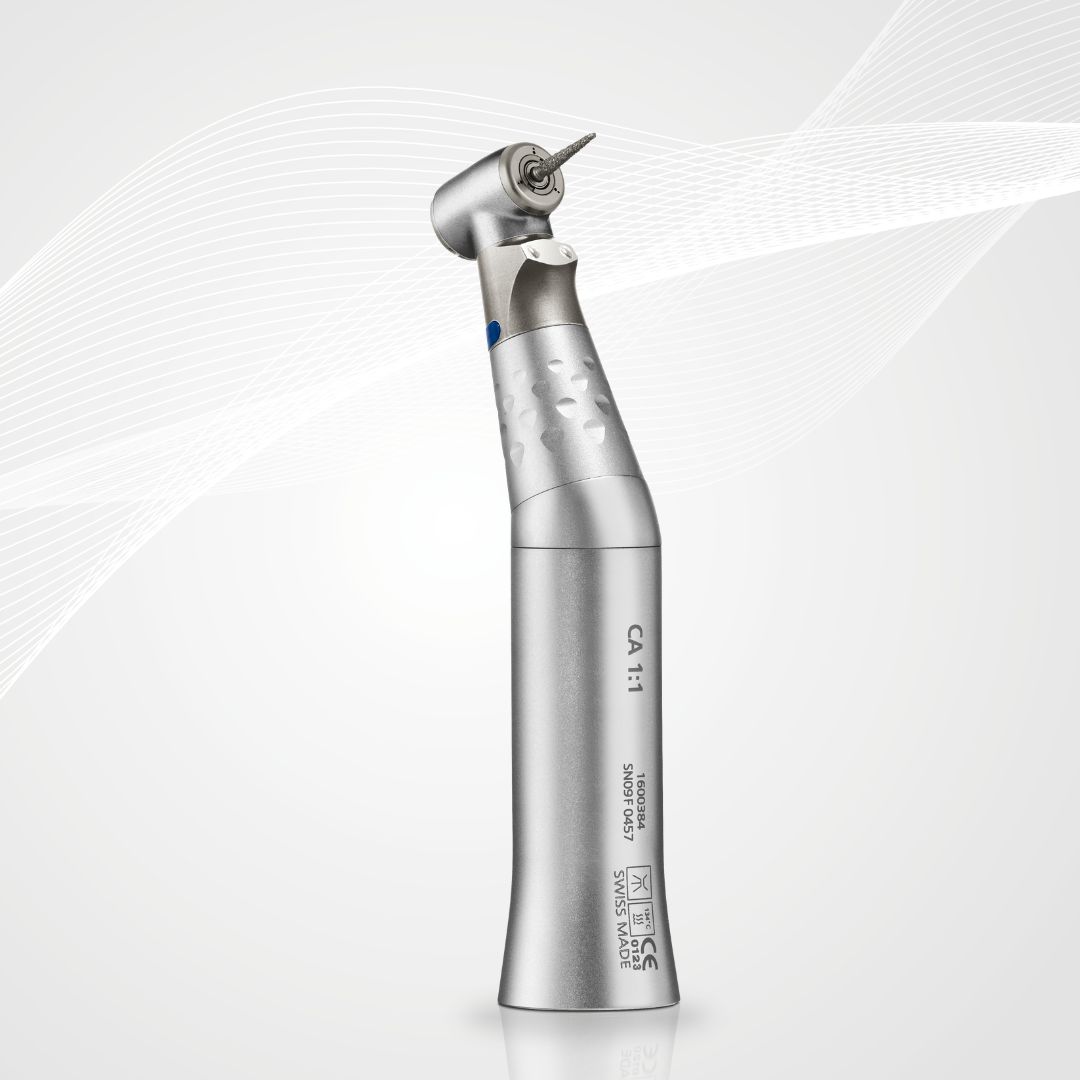
• Rediscover a timeless handpiece. With close to 30 years of existence, the durability of the CA 1:1 is beyond compare
• Accu-ChuckTM technology provides outstanding axis stability, eliminating noise and vibration.
• Accu-SprayTM system ensures better irrigation of the treated area, and safer treatment for your patients.
CA Classic 1:1 L Standard
Reference: 1600384-001
Copied to clipboard!
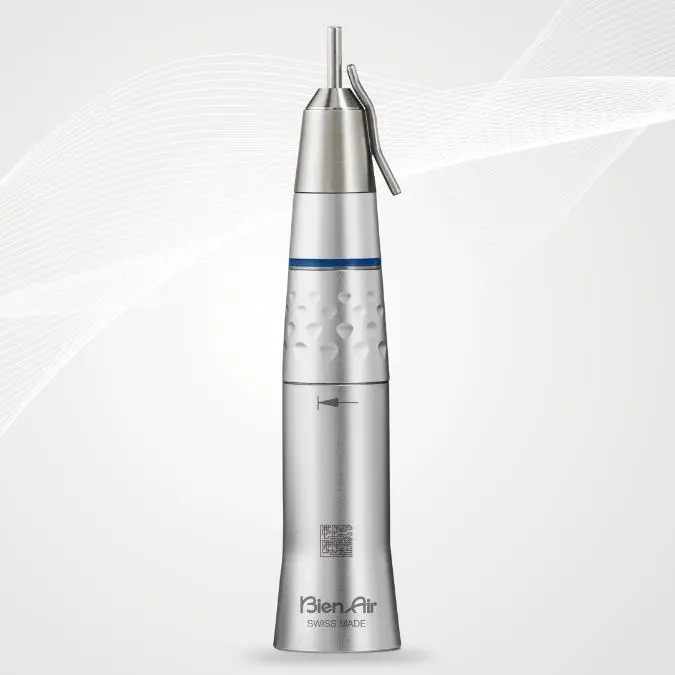
• Designed to withstand the stresses resulting from repeated lateral pressure, while maintaining exceptional precision.
• Less vibration, quiet operation and tried and tested bur locking system.
PM 1:1 EXT
Reference: 1600052-001
Copied to clipboard!
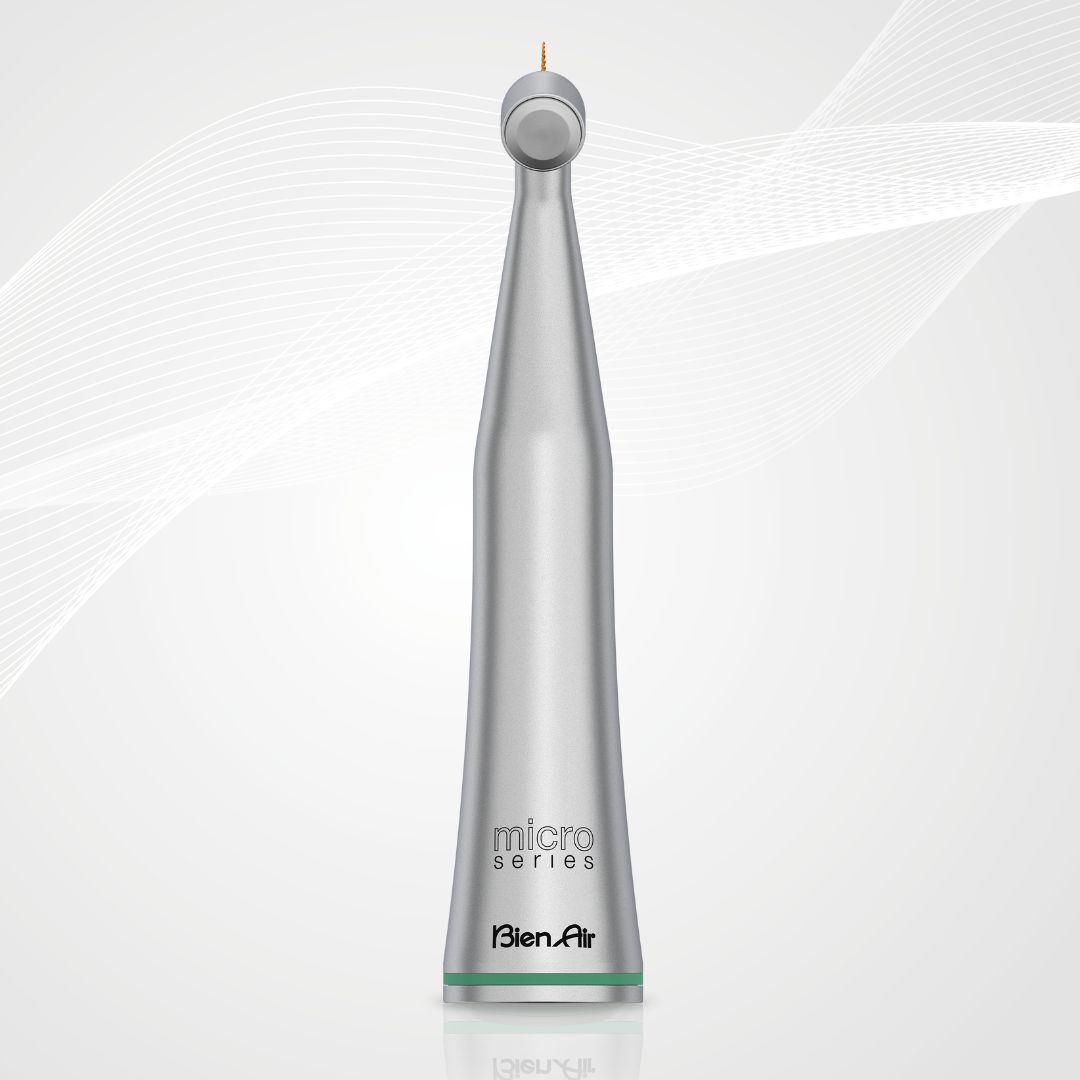
• The CA ENDO 4:1 attachment does rotary and reciprocating endo.
• Fully compatible with all endodontic files as well as "WaveOne Gold" (WaveOne® Gold is a registered trademark of Dentsply Sirona, Inc.).
CA ENDO 4:1
Reference: 1600955-001
Copied to clipboard!
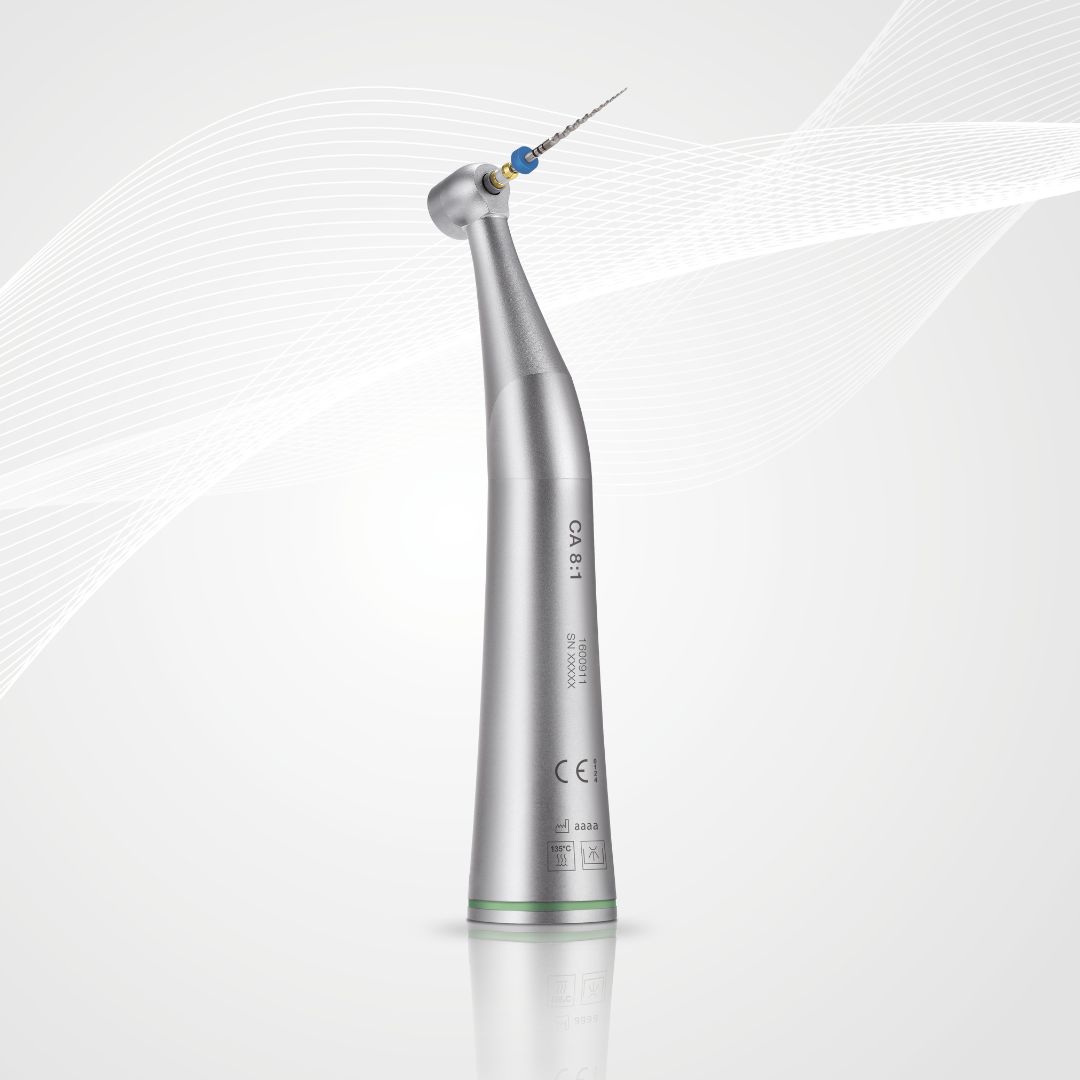
• Coupled with the MX2 motor, the CA ENDO 8:1 contra-angle has been specially designed for rotary endo with it's micro-head and lightweight design.
CA ENDO 8:1
Reference: 1600911-001
Copied to clipboard!
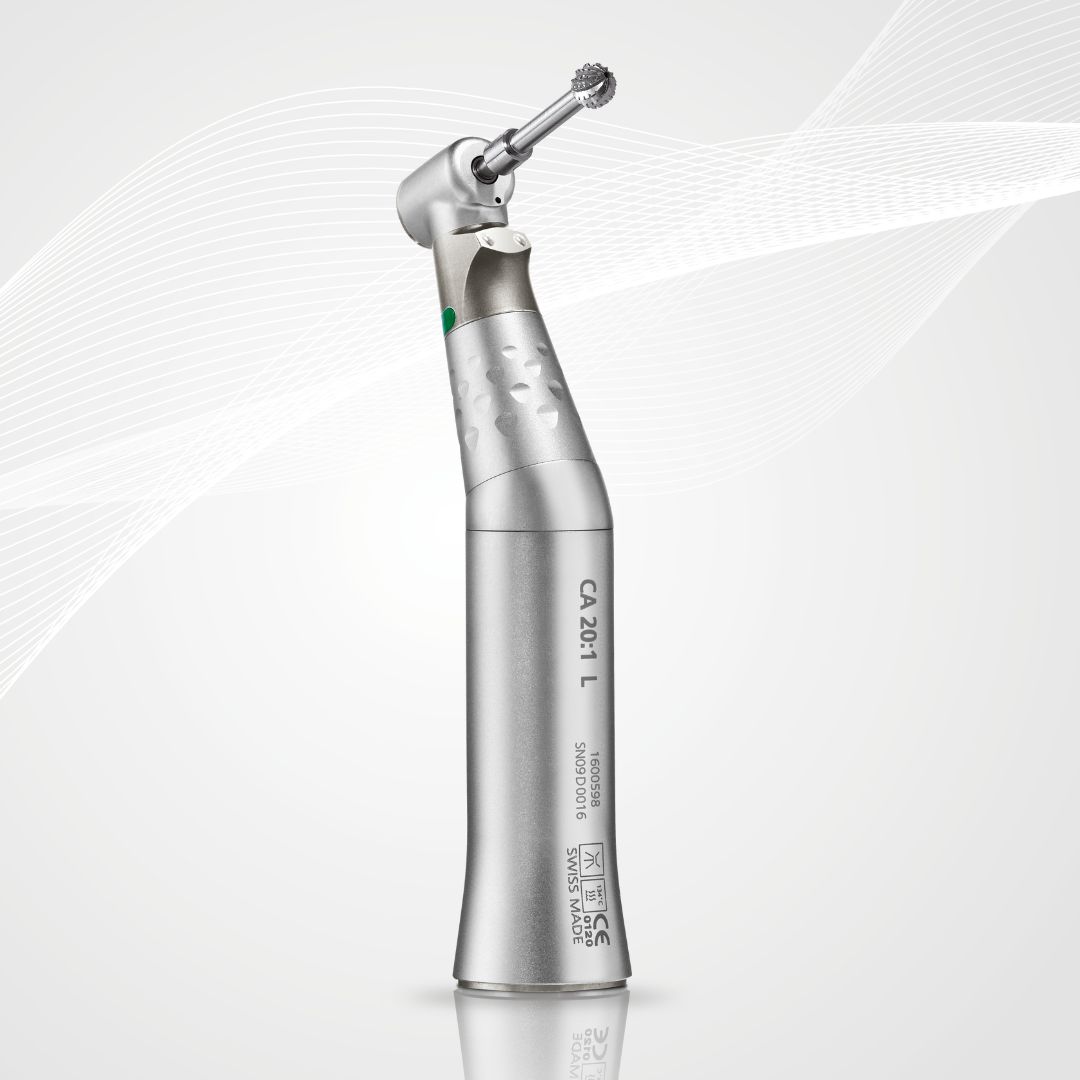
• Your ultimate implant attachment.
• Integrated, internal irrigation, which projects cooling fluid directly onto the drill shaft for precise and efficient cooling during surgical procedures.
• Comes in Standard and Micro Series.
CA 20:1 L Implant Attachment
Reference: 1600598-001
Copied to clipboard!
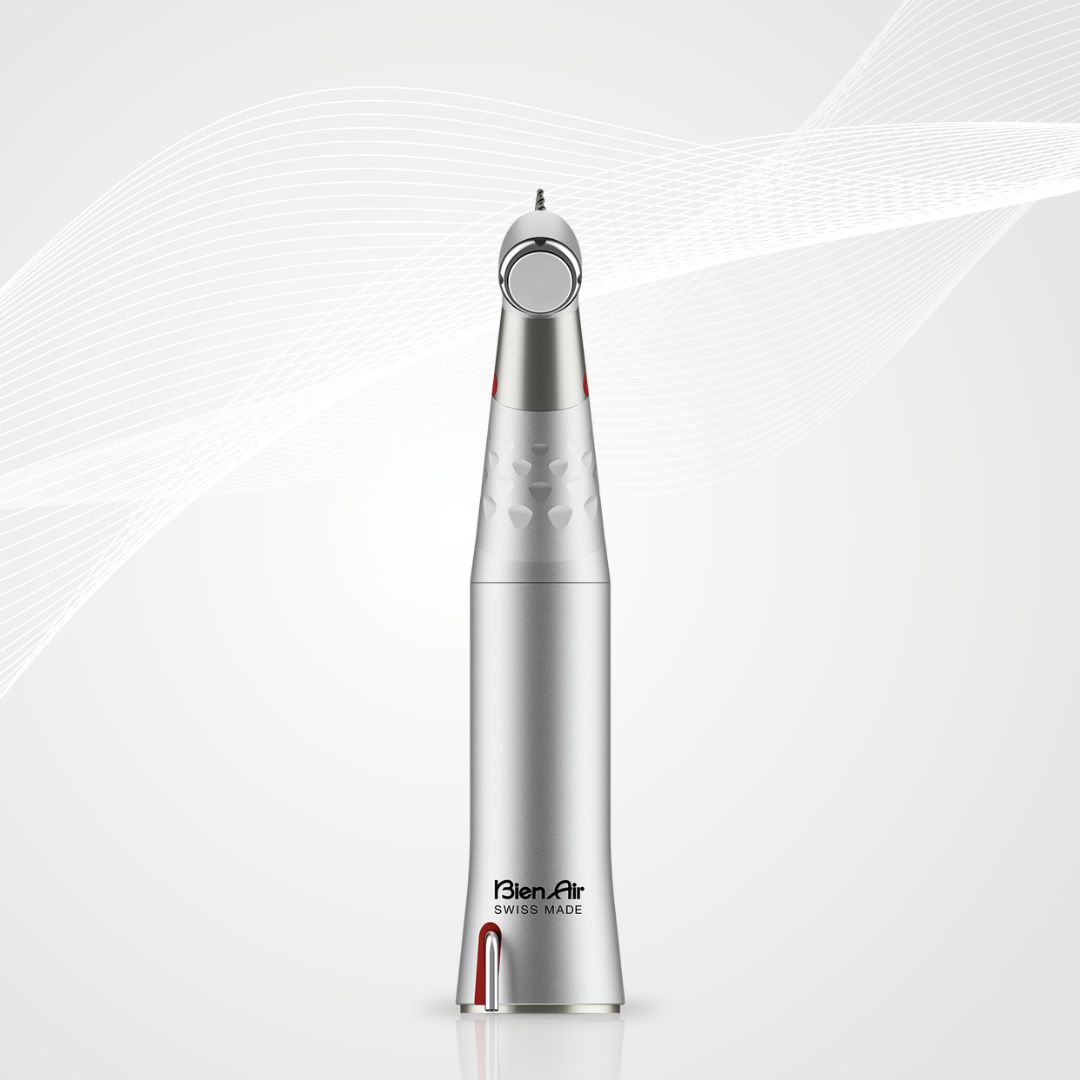
• Uses latch type burs.
• Easy handling and clear view of the surgical area thanks to the internally routed irrigation line.
CA 1:2.5 Surgical Attachment
Reference: 1601164-001
Copied to clipboard!
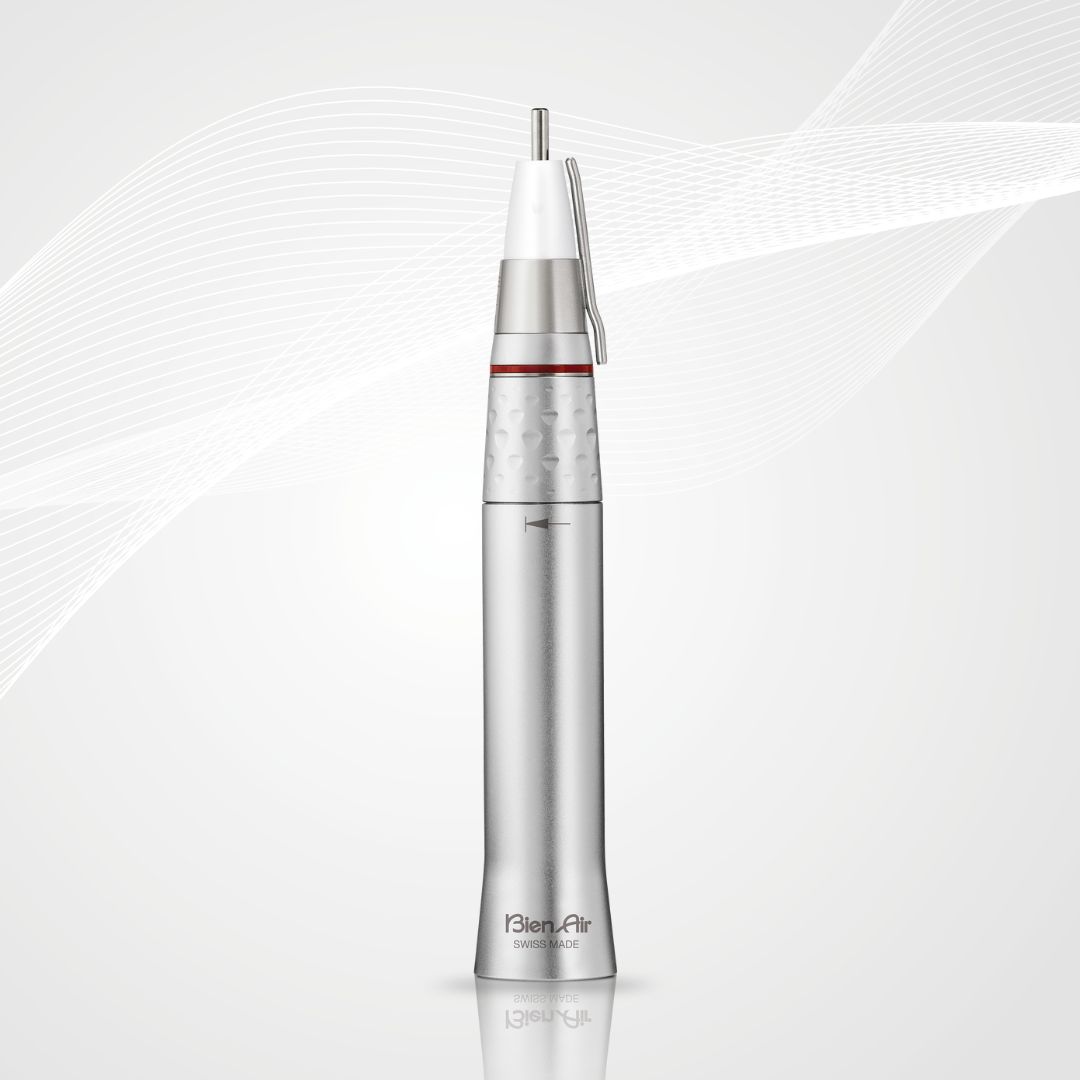
• The optimal diameter and height of the PM 1:2 promote near-unobstructed intraoral visibility and make for a less invasive approach to extracting impacted molars.
• Use the PM 1:2 handpiece with Bien-Air's revolutionary iChiropro system to enjoy greater power control and patient data storage.
PM 1:2 Impaction Drill
Reference: 1600052-001
Copied to clipboard!
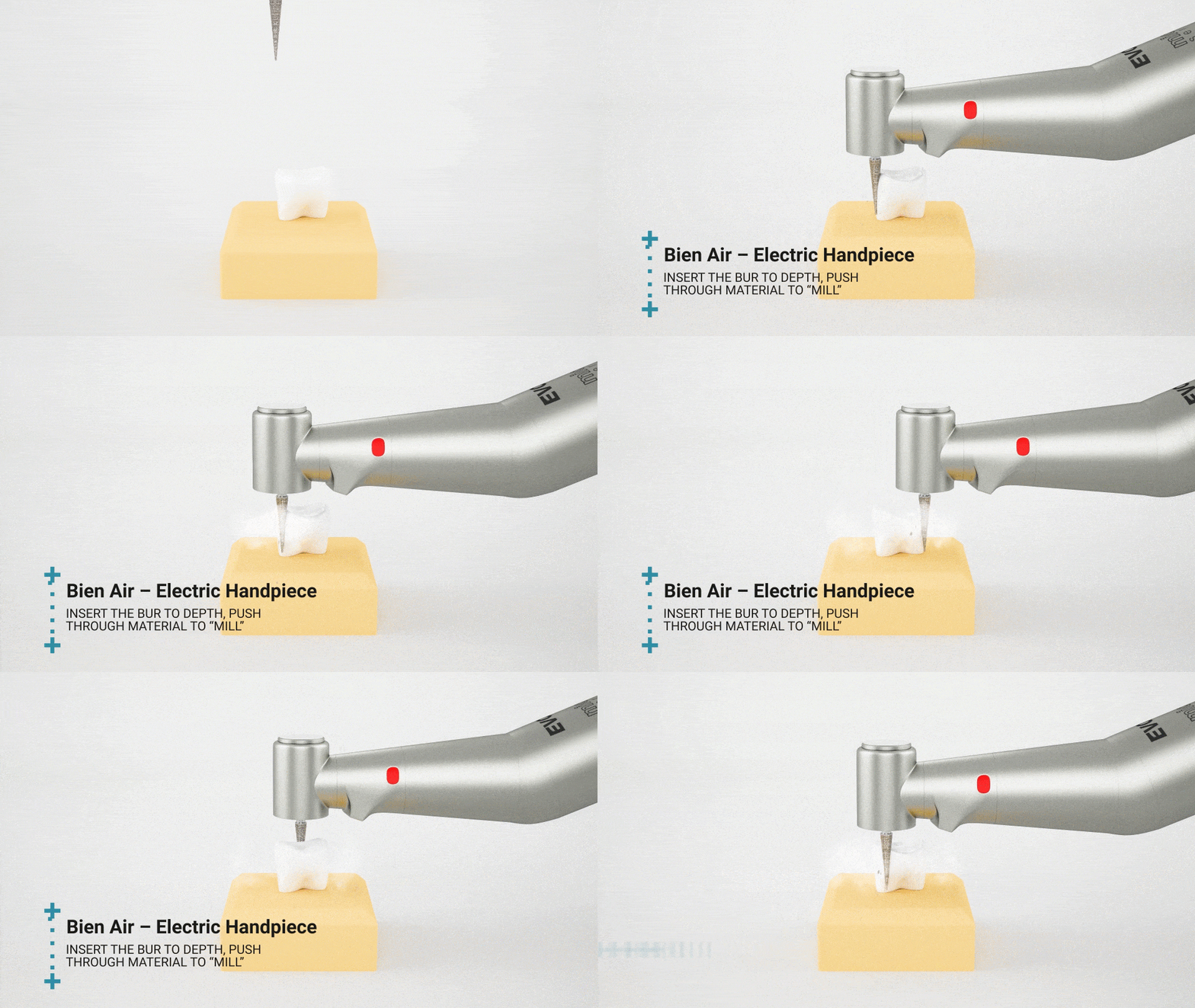
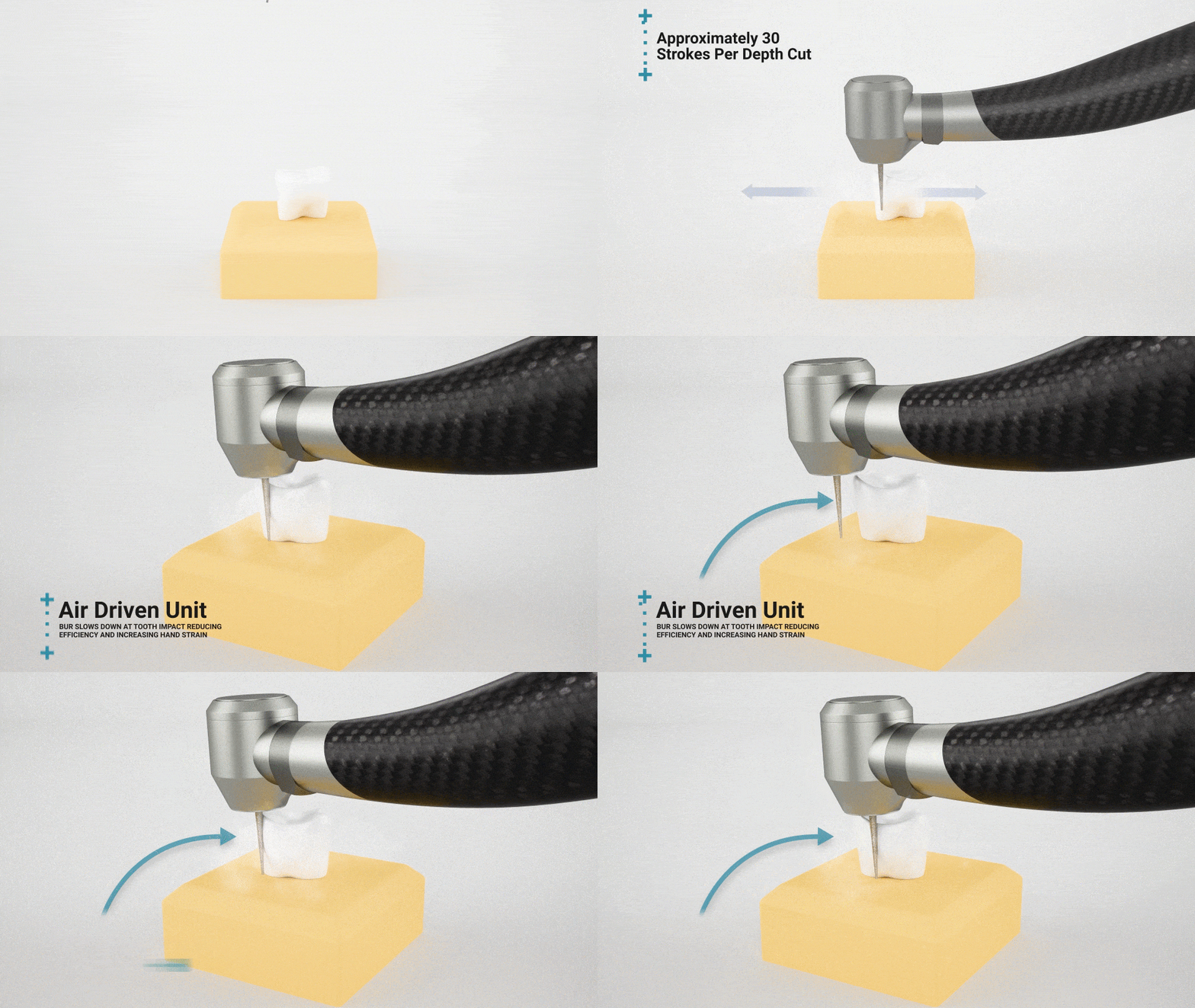
IPR Without the Headache
In this short video, you'll learn about the Ever Smile Smart IPR attachment that makes IPR easier, safer, and more efficient.