
Welcome, !
Below are short, interactive resources that highlight key considerations to evaluate when investing in an electric system. This content is based on a series of videos that were created by John Flucke. If you’d like to learn more, consider enrolling in the “Electric Advantage” course. In this course, you can use the table of contents below to jump to a specific topic, or you can scroll down to the content you’d like to learn more about. If you run into any issues, please email: [email protected]
The Electric Lingo • Safety Features • Integration • Low-End Torque
The Electric Lingo
In the world of electrics, the lingo (or the terminology) we use becomes very important. Dr. Flucke will touch on these terms throughout the short videos in this course. If you are not familiar with these terms, or you just need clarification, please hover your mouse over the “flip cards” to learn more about these terms.
in·te·gra·tion
Integration
at·tach·ments
Attachments
Controller Box/Motor
Low End Torque
Low End Torque
Safety Features
Dental professionals don’t take safety for granted. Therefore it’s important that you consider which safety features are important to you and your patients.
Safety Features
2:40
2:48
More Safety Resources
Just click on the tabs below, to find more resources about the safety features that were discussed in the videos above.
- ADA Labratory Investigation
- Anti-Retraction Valve
- Ceramic Anti-Heat Push Button
- Motor Sterilization
If you have concerns about the potential of burning a patient using a high-speed electric handpiece, we highly recommend you read this the ADA professional product review in 2014. You can view it here by clicking the “>” arrow to navigate through it, or you can download it using the link below.
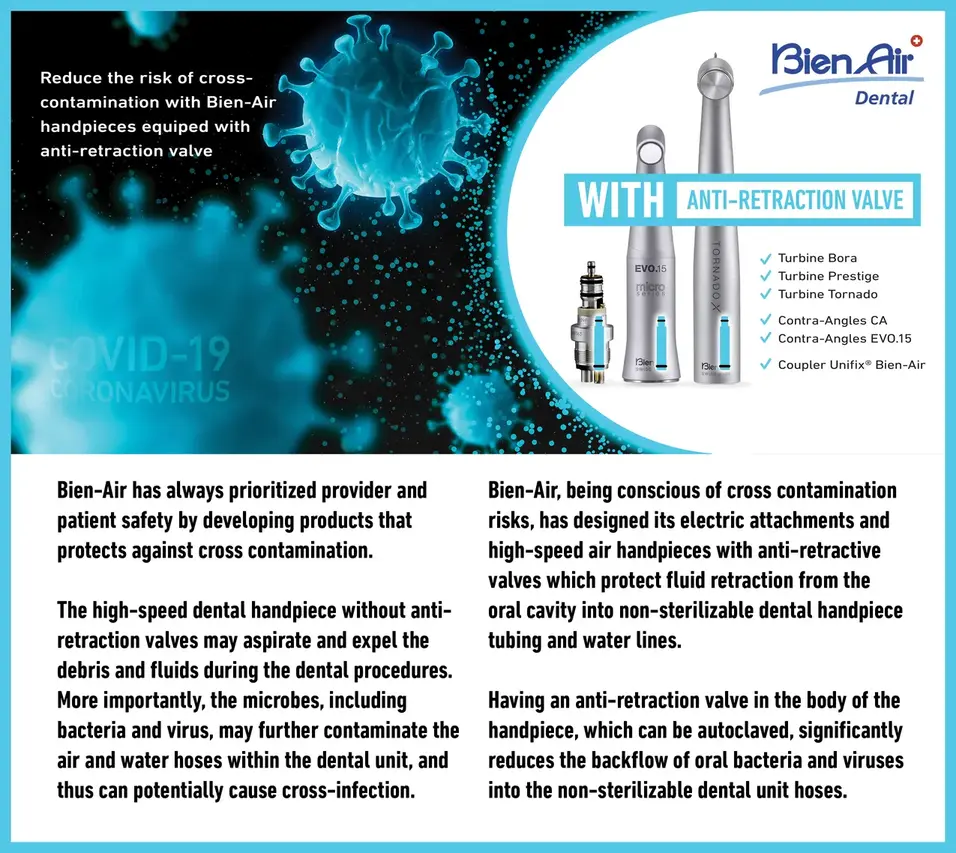
Below is more information about the value and importance of having attachments with an Anti-Retraction valve (click on the image to enlarge it). One of the key reasons is reducing the risk of cross contamination.
Below is a PPT presentation that highlights how the Cool Touch technology available on the Bien-Air NOVA attachments works. Click the “>” arrow to move through the presentation.
The Value of Integration
The term “integration” encompasses two important components that may not seem relevant when you’re shopping for an electric system. However, it’s still important to consider to what extent it fully integrates within your system and what future upgrades look like. We go into more detail about each of these components, below.
What is “Streamlined Integration?
We use this phrase to visualize an important distinction that can separate electric systems – especially when you’re talking about adding a new system to an existing dental unit.
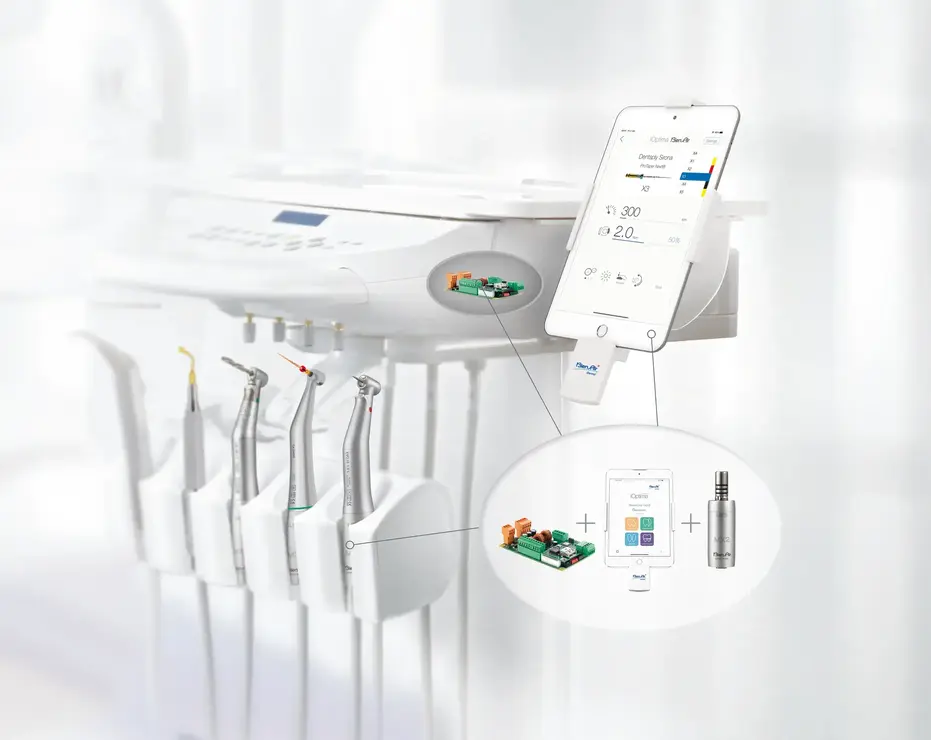
Some systems (click the arrow next to the image to see different examples) directly integrate into your current unit without adding extra wires and lines.Â
You’ll notice that the controller box (iPad) is mounted safely and neatly outside of the dental unit while the “guts” are professionally installed into your dental unit, directly into the block.Â
We’ll showcase what this means and looks like in more detail, below.
What Does Streamlined Integration Look Like?
- A direct connection professionally installed into your existing delivery unit without additional tubing or wires.
- A mounted controller box on the outside of the dental unit
- A professional look and feel without any visible outside wires, cords, or equipment.
- A seamless user-experience.
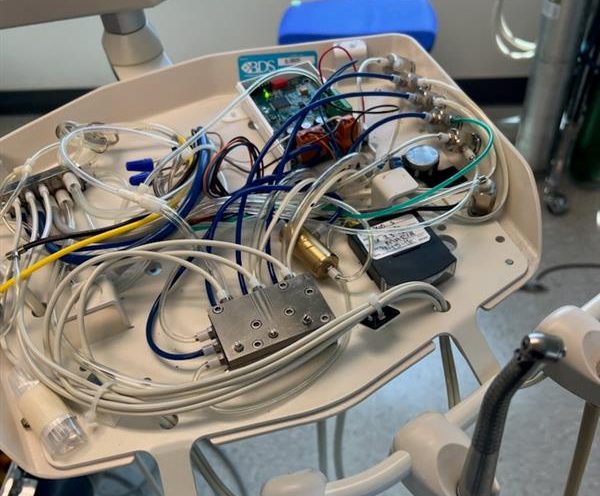
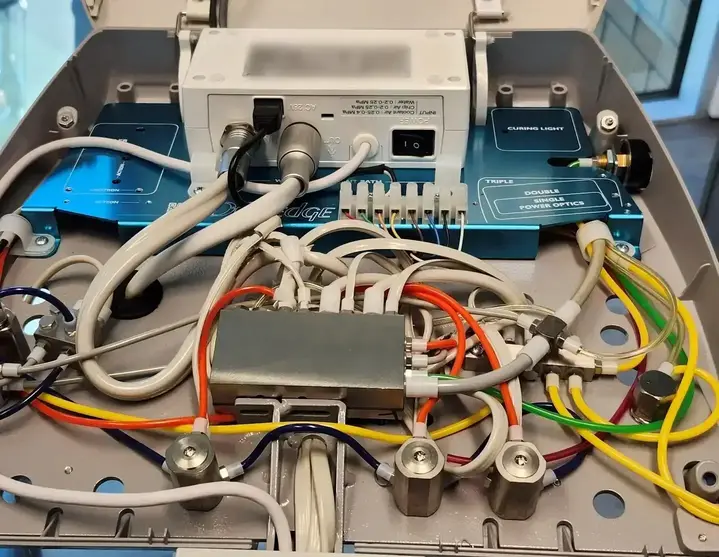
The image provided showcases the inner-workings of a dental unit. You’ll notice at the back of the unit is a controller box that has been professionally installed within the dental unit.
Streamlined Integration (into the block, within a dental unit) Eliminates the Following:
- Extra tubing that must be coiled up and stored
- Extra 6 feet of water in that tubing sitting somewhere blooming with algae
- Extra connection point between tubing and console with plastic gasket that will eventually leak
- Return service visits due to shorts, leaks due to gaskets, air pockets, and vacuums that can interrupt water
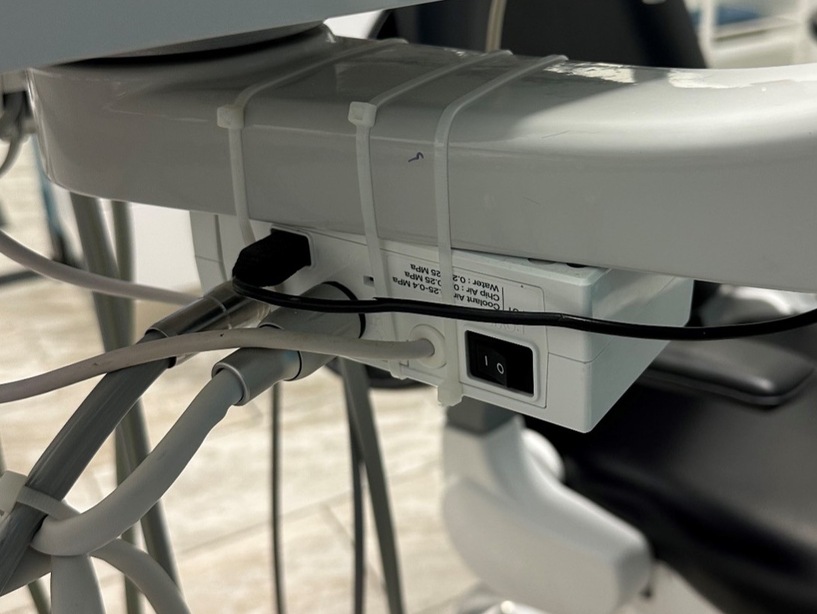
You’ll notice at the back of the delivery unit, is a larger box that has been retrofitted in the dental unit. This is not a fully integrated system.
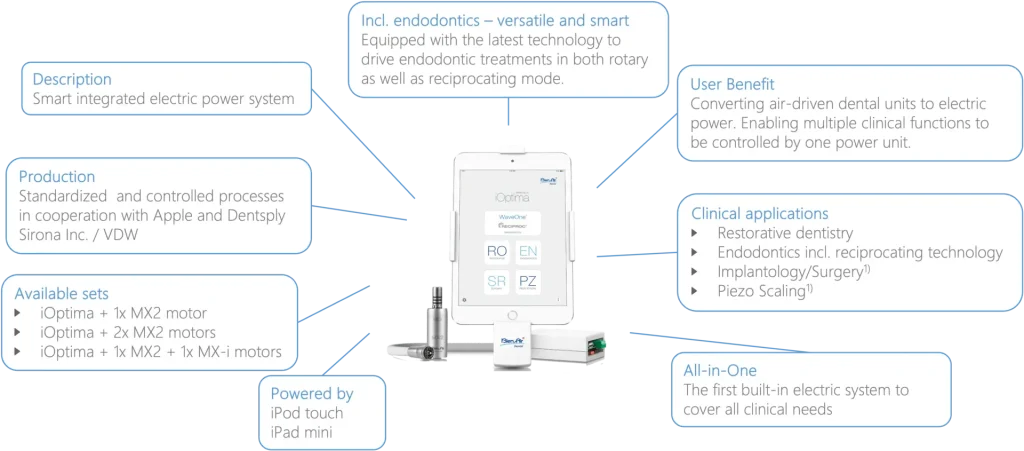
The last part of integration is “Future Upgrades.” Below, we use the Bien-Air iOptimaINT to highlight some of the important considerations that Dr. Flucke presented in the video.
Multiple Motors
One thing to consider is whether you want to have multiple motors per unit. If you do, check to make sure that you can hook up multiple motors to the same controller box.
Adding Endo
If you think you'll want to add Endo attachments now or in the future, check to make sure that the electric system allows you to add this function without having to take up more real-estate.
Future Upgrades
Finally, as you think about what else you'd like to do in your operatory (or operatories), ensure that adding on things like implant, Piezo scaling and Endo (including reciprocating technology) is easy.
Low End Torque
It’s important to note that torque is measured at the motor, and not the attachment. However, you may be wondering, why is low end torque important, especially if you’re used to using multiple attachments for restorative work? There are other benefits than inventory control (e.g., using a high speed red for all restorative procedures) that we showcase in this section.
Below we offer some charts and further explanations about the value of low end torque, less vibration, and consistent speed.
- Torque Comparison
- Vibration
- Consistent Speed
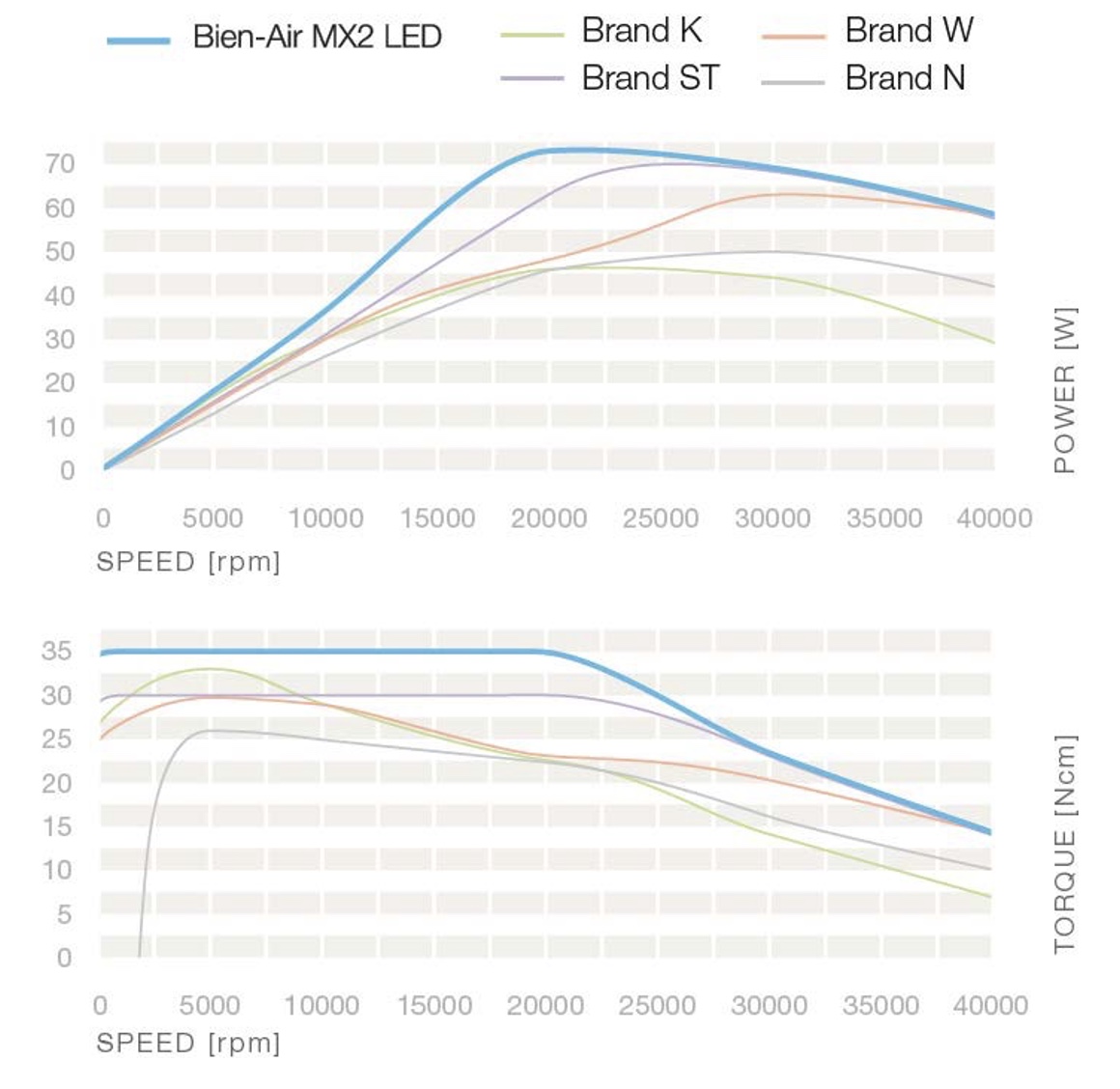
As you can see from the charts (click to enlarge), power is measured in both Watts (power) and Ncm (torque). More importantly, you can also see there is a difference in every product’s ability to generate torque at low speeds (this is more apparent in the bottom chart).
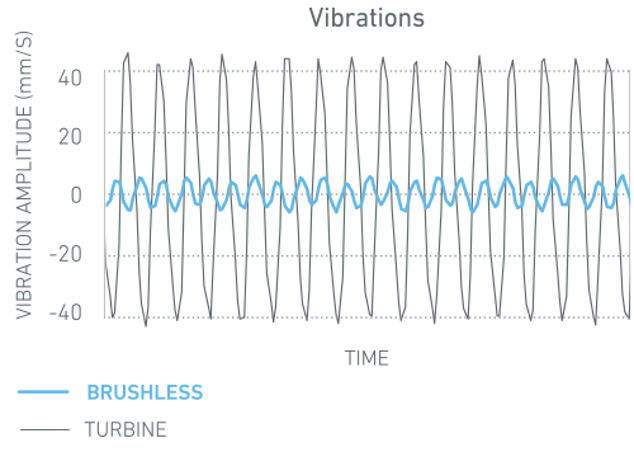
Even with a substantial increase in torque (and speed) when you switch from air to electric, the vibrations (and the possibility of chattering) is still greatly reduced when using a brushless motor compared to an air turbine as you can see on the graph, above (click to enlarge).
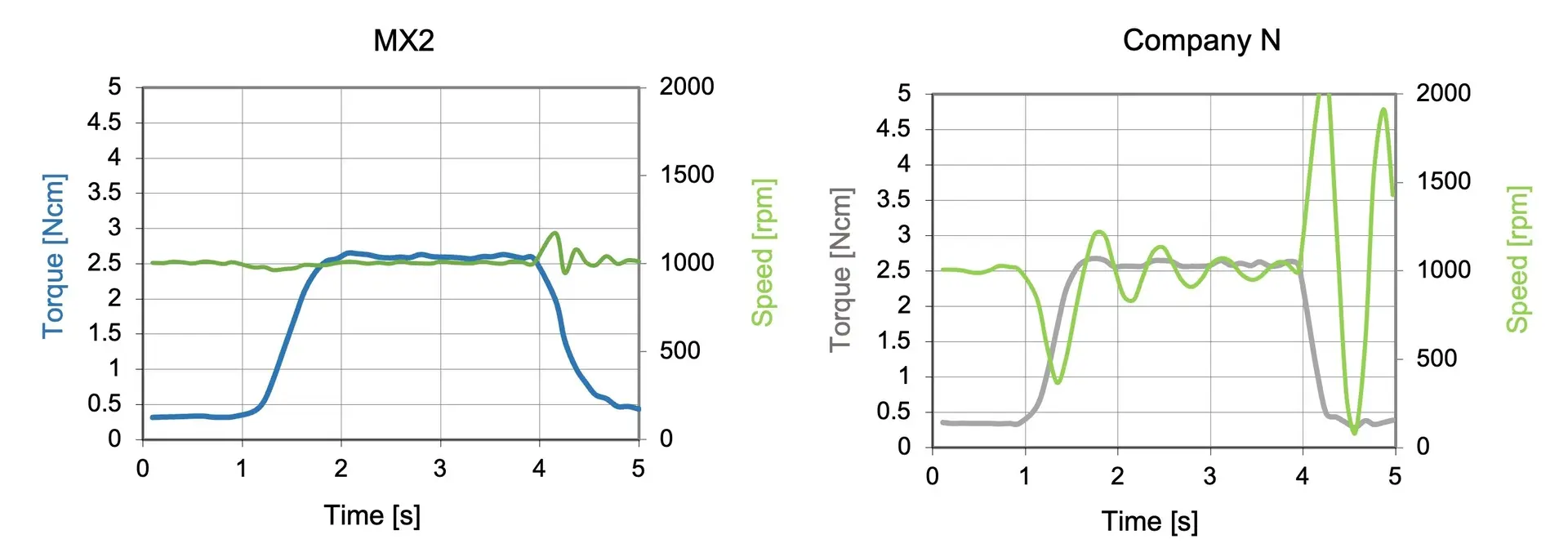
In our final chart (click to enlarge), you can see how certain motors fluctuate in speed whenever there is a change in load. A good electric system will keep a consistent speed, regardless the load. In other words, a change in load could be drilling on a hard surface, adding more pressure to the drill, or the opposite.
You must log in and have started this course to submit a review.